Every day, hospitals and clinics rely on countless of people to keep patient care running smoothly – from nurses and doctors to the teams producing vital medications and equipment.
But there is another link in the chain that often goes unnoticed: the logistics behind it all. When an MRI machine needs a spare part, when a hospital is low on essential supplies, or when a patient-specific chemo-dose must arrive the same morning, logistics plays a quiet but important role in making sure treatment can continue as planned.
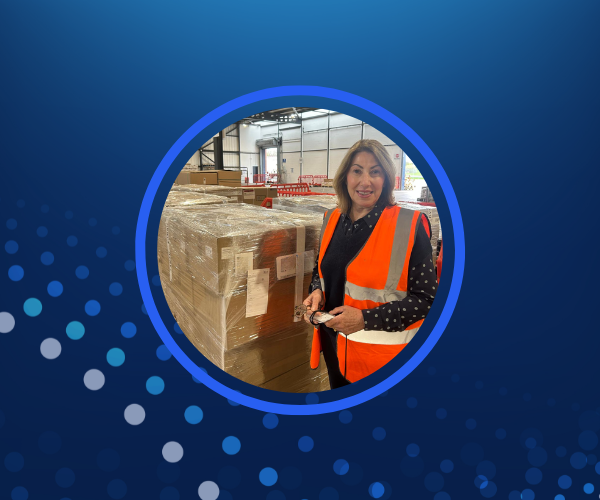
In Ireland, this responsibility is part of the daily work at Alltrans, led by Managing Director Lochlann Doherty and his team, who specialise in time-sensitive life science logistics that support healthcare professionals across the country.
When healthcare can’t wait
When working with time-critical spare parts logistics in the healthcare sector, timing isn’t just about efficiency – it directly affects whether care can move forward as planned. This becomes clear in situations where a single missing spare part can delay diagnostics significantly.
“When an MRI needs a part, the whole schedule pauses until it arrives,” Lochlann explains. “Patients are already waiting, and until that part is delivered, nothing else can move forward. The same urgency applies to i.e. patient‑specific chemotherapy medication, prepared the evening before and delivered before 9 a.m. so treatment can take place the same day.”
The importance of this reliability is also experienced by Alltrans’ customers who work closely with hospitals and clinics. Jason O’Callaghan, Operations Manager at Tekno Surgical Ireland explains:
“Reliable, time-critical logistics is fundamental in our sector because there’s a direct link between delivery performance and patient care. At Tekno Surgical, ensuring products are exactly where they need to be, precisely when they’re needed, supports seamless procedures and uninterrupted care. When everything runs as it should, hospitals can operate efficiently and clinicians can remain fully focused on achieving the best possible patient outcomes. Our partnership with Alltrans on time critical shipments allows us to meet our clients’ expectations and fulfill patient requirements with ease.”
When hospitals face unexpected shortages or last‑minute changes, logistics teams must react quickly and precisely to keep supplies moving and avoid delays. These moments show how logistics often acts as a quiet support function under pressure – stepping in behind the scenes so healthcare professionals can focus on patient care.
Everyday logistics that supports healthcare
Beyond urgent, time‑critical situations, a lot of the impact of life science logistics is also found in the steady, everyday work that supports healthcare as a whole. This includes delivering and collecting full orthopedic operation kits so surgeries can take place as planned, as well as ensuring pharmacies receive regular deliveries so patients can access their medication on time.
Logistics also plays a role in supporting daily life outside hospital walls, through activities such as supplying dialysis equipment, delivering vaccines to GP clinics, and safely handling medical waste from home‑care patients. These tasks require care, reliability, and understanding how healthcare systems function.
As Lochlann explains: “We understand how hospitals and clinics work, and we know what’s needed to keep things moving smoothly for the people they care for. When you speak their language and know what’s required, you can support them properly – which is something we really take pride in.”
Making a difference
Whether it’s supporting a scheduled operation, enabling a patient to receive their medication on time, or helping a clinic prepare for the day ahead, logistics quietly keep many parts of the healthcare system moving.
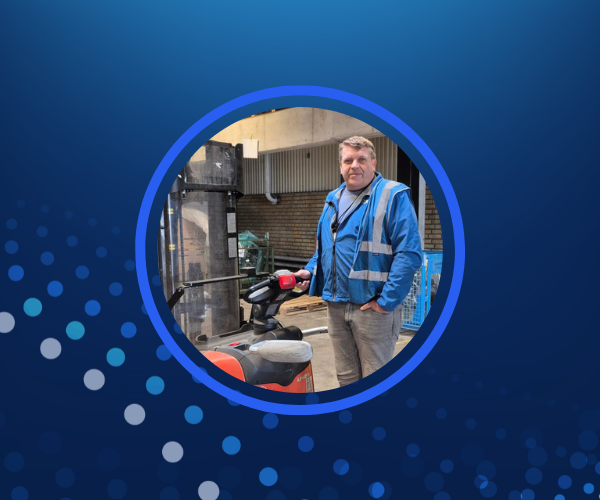
Every delivery has a human outcome, and the work done by drivers, planners, and operations teams at Alltrans is a reminder of how dedication behind the scenes can make a difference. As Lochlann puts it:
“We’re not the ones treating the patients, but our job is to make sure the people who do have what they need, exactly when they need it.”
You can learn more about working in logistics by following this link.