When we walk through a supermarket, shelves filled with fresh products often feel like a given.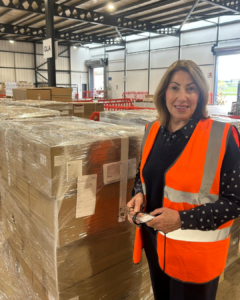 Bread, vegetables, dairy — always available, always within reach. But food does not simply appear on shelves. Behind every harvest is a fragile chain of timing, weather, machinery, and people working together to make sure harvests are gathered at exactly the right moment.
This is something Joanne Whittaker, Network Partner Manager, sees firsthand. In agriculture, logistics plays an essential role. And when something breaks down, spare parts logistics can make the difference between food moving forward — or standing still on the field.
When timing decides everything
Agriculture is one of the few industries where time cannot be negotiated. Harvest windows are short, weather conditions change quickly, and delays can have huge consequences.
“If you are halfway through cutting your fields and the combine harvester breaks down, with heavy rain forecast in the coming days, the situation can quickly become disastrous,” Joanne explains.
Farmers don’t have backup machines waiting in reserve. Agricultural equipment is highly specialised, expensive, and designed to work intensively during very specific periods. When a machine stops during harvest season, every hour matters – and that’s when critical spare parts logistics plays an important role.
One missing part can stop an entire harvest
In agriculture, a single missing component can disrupt large-scale operations – with consequences that reach far beyond the field.
Joanne recalls a situation where a combine harvester broke down in the middle of harvest:
“The required spare part was available, dispatched the same day, and delivered overnight – arriving before 8 a.m. the next morning. Within 24 hours, the machine was repaired and back in the field.”
Without that delivery, food ready to be harvested could have been left exposed to bad weather and the crop lost. Those losses add up quickly and move through the supply chain, eventually affecting availability for shops and consumers.
From the field to everyday life
Most people never see the logistics behind the products they find in the supermarket. But the connection is closer than we might think.
A delayed harvest can mean fewer locally grown products available in stores. It can increase pressure on imports and over time, disruptions can contribute to higher prices, reduced availability, and more waste. What happens in a field today affects what families find on shelves tomorrow.
“There are years of hard work behind it – preparing the land, managing unpredictable weather, and protecting foods from harmful pests. When equipment breaks down, getting the right spare part at the right time is critical to keeping everything moving.”
This is why logistics plays a significant role in keeping society running. Not in abstract terms, but in small, everyday ways most of us don’t think about – like having food on the table when we expect it. For Joanne, working with agricultural logistics carries a real sense of responsibility:
“Knowing that our work helps farmers keep food production running makes me incredibly proud to be part of this supply chain” she says.
Interested in knowing more about working in logistics? Follow this link.